
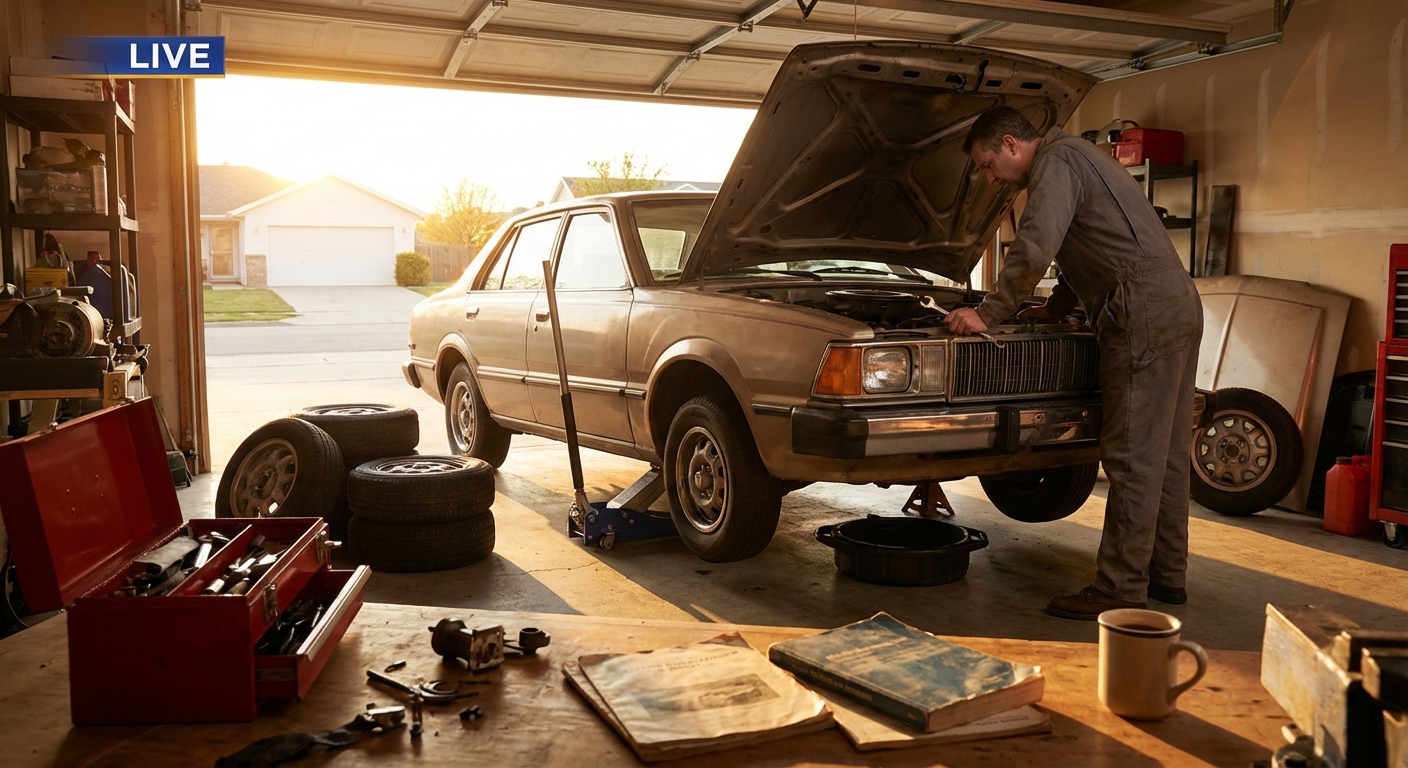
Before bolt-on parts and dyno charts, real performance gains begin with maintenance discipline. The fastest, most rewarding cars to drive aren’t always the ones with the biggest turbos—they’re the machines whose owners obsess over fluids, tolerances, and details.
Performance Starts in the Garage
Here are five high-impact maintenance moves that dramatically elevate performance, whether you’re daily driving, canyon carving, or chasing lap times.
1. Precision Fluids: The Lifeblood of Speed
Oil and fluids are often treated as boring necessities, but to performance enthusiasts they’re tuning tools.
Engine oil: Friction vs. protection
- Use the correct viscosity for your engine and climate—too thick and you lose efficiency and cold-start protection; too thin and you compromise high-load protection.
- For spirited driving, choose high-quality synthetic oil with robust shear stability.
- Shorten oil change intervals if you:
- Track the car
- Frequently redline
- Drive in extreme temperatures
Other critical fluids for performance
- Transmission fluid: Old or incorrect fluid makes shifts slow and notchy. Fresh, correct-spec fluid can transform shift feel.
- Differential fluid: Crucial for locking diffs and limited-slip units. The right friction modifiers maintain predictable behavior in corners.
- Brake fluid: Performance depends on a high boiling point and minimal moisture content.
- Coolant: Overheating kills timing, power, and engine longevity.
Pro move: Schedule a full fluid service before you start modding. It’s the foundation of reliable performance.
2. Ignition & Airflow: Restoring Lost Power
Engines are air pumps. Anything that compromises airflow or combustion efficiency quietly robs performance long before a check engine light appears.
Key areas to inspect and refresh
Air filter
- A clogged filter strangles your engine. - High-quality panel filters in a stock airbox are often more consistent than cheap “cold air” kits.
Throttle body & intake tract
- Carbon and oil vapor build-up dulls throttle response. - Carefully cleaning the throttle body can restore crisp response.
Spark plugs & coils
- Worn plugs increase misfires under load. - Always use manufacturer-recommended heat ranges unless your build specifically requires a change.
MAF/MAP sensors
- Contaminated sensors cause incorrect fueling, sluggish acceleration, and poor economy.
Performance payoff:
- Stronger low- and mid-range torque
- Smoother idle and part-throttle transitions
- More consistent power on hot days or long pulls
3. Suspension Refresh: Turning Slop Into Speed
Enthusiasts often bolt on coilovers and sway bars without addressing the core health of the suspension. That’s like putting race shoes on with a twisted ankle.
High-impact maintenance items
Control arm bushings
- Cracked or torn bushings change alignment dynamically under load. - Poly or performance rubber bushings improve steering precision when chosen thoughtfully.
Ball joints & tie rod ends
- Slop here equals vague steering and unpredictable toe changes.
Shocks/struts
- If your car “floats” after a bump or bounces more than once, the dampers are done.
Top mounts & bearings
- Worn top mounts cause clunks and inconsistent camber.
After refreshing, get a performance alignment to match your driving:
- Daily + spirited: Mild negative camber, neutral to slight toe-in for stability.
- Track/canyon: More negative camber, dialed-in toe to sharpen turn-in.
Result: The car feels lighter on its feet, more precise, and much more confidence-inspiring on the limit.
4. Tire Optimization: Free Grip You’re Probably Leaving on the Table
You can’t talk performance without talking tires. But beyond simply buying a “sport” tire, the way you care for them can dramatically change how your car performs.
5 tire-focused performance habits
Set pressures properly
- Start at manufacturer specs and adjust based on wear, feel, and (if possible) temperature. - Overly high pressures: Harsh ride, tiny contact patch. - Overly low pressures: Mushy feel, excessive heat, shoulder wear.
Monitor wear patterns
- Inside wear: Too much negative camber or too little pressure. - Outside wear: Too little camber for your driving style. - Center wear: Overinflation.
Rotate regularly
- Keeps handling consistent and maximizes usable grip.
Respect tire age
- Performance drops sharply as compounds harden, often before tread is gone.
Choose your compound wisely
- Ultra-high performance summer tires for warm climates and spirited driving. - 200-treadwear+ track-capable tires if you’re lapping often.
Tires are the multiplier of every other performance system—get them right and everything else works better.
5. Brake System Excellence: Confidence You Can Lean On
You can’t fully exploit a car’s performance if you don’t trust its brakes. Consistent stopping power is crucial not just for safety, but for speed.
Maintenance steps that upgrade braking performance
Pads matched to use
- Street pads: Quiet, work cold, but can fade on track. - Track pads: Noisy, dusty, but stable at high temps. - For mixed use, choose a performance street pad designed for spirited driving.
Fresh, correct-spec brake fluid
- Flush at least every 1–2 years; more often if you track. - Look for higher dry and wet boiling points for performance driving.
Inspect rotors properly
- Check for thickness variation, cracks, and excessive lips. - Don’t cheap out—poor rotors can ruin good pads.
Check lines and hoses
- Replace cracked or swollen rubber lines. - Consider stainless braided lines for improved pedal feel.
Bed-in new pads correctly
- Proper bedding maximizes friction and minimizes judder.
A consistent, firm pedal lets you brake later and harder, again and again—that’s performance.
The Performance Mindset: Maintain First, Modify Second
Fast, reliable cars come from a simple philosophy: maintenance before mods.
To bring it all together:
- Start with a comprehensive inspection: fluids, ignition, suspension, brakes, and tires.
- Create a maintenance calendar based on mileage and driving style.
- Track changes carefully. After a major refresh, drive the car hard in a safe environment and feel the difference.
When you treat maintenance as a performance strategy instead of a chore, you don’t just extend your car’s life—you unlock the sharp, responsive, confidence-inspiring machine it was engineered to be.