
Anyone can be impressed by a brand‑new car. Tight steering, strong brakes, sparkling paint, responsive powertrain—it’s the honeymoon phase.
Performance Isn’t Just About Day One
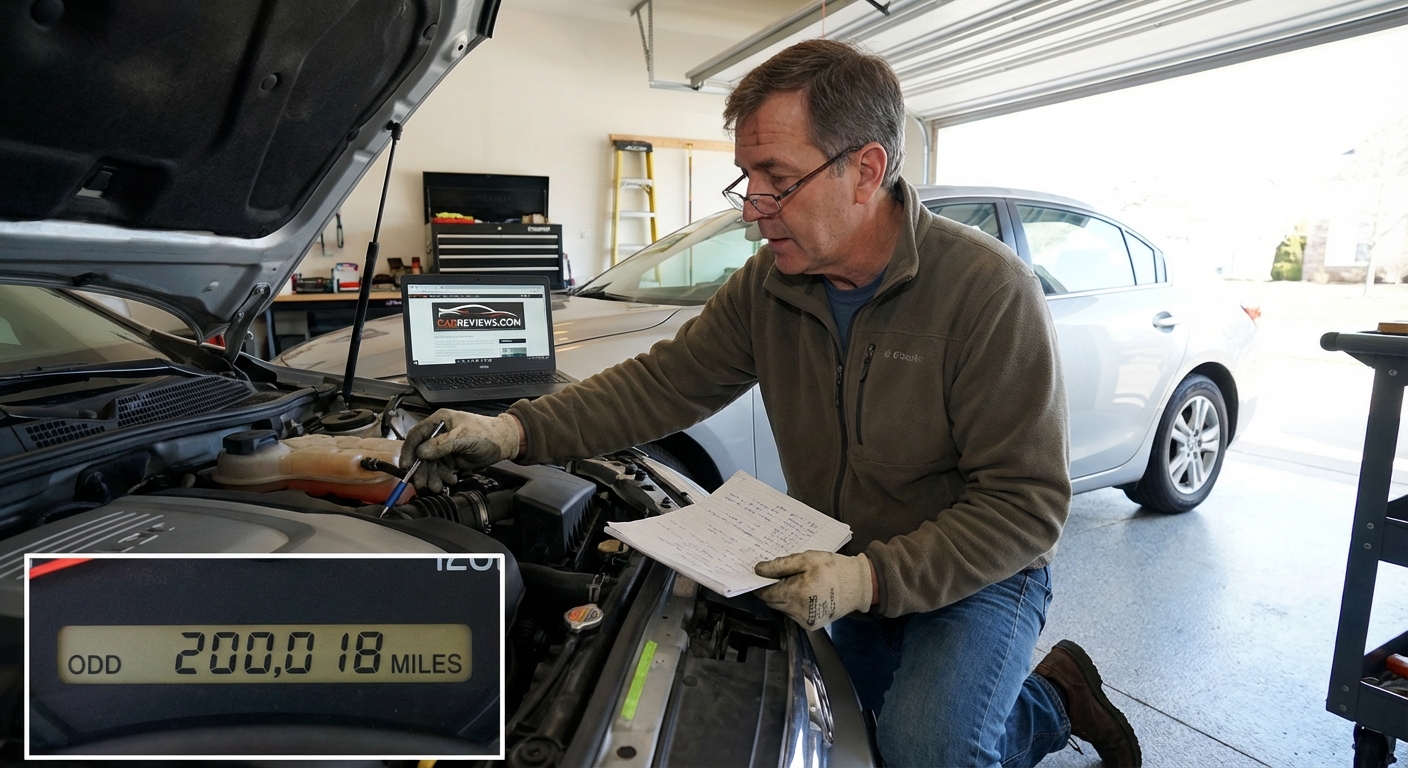
The real question is: What will this car feel like at 100,000 or 200,000 miles?
That’s where maintenance‑savvy reading of car reviews becomes a secret weapon. Hidden in enthusiastic track impressions and commuting notes are clues about how a car will age, what it will cost to keep sharp, and where you should invest in preventative care.
This guide shows you how to extract long‑term value from car reviews, with five critical performance and maintenance pillars to focus on.
Pillar 1: Powertrain Durability Hints Hiding in Plain Sight
Reviewers don’t run cars for 10 years, but they do stress them in ways that reveal early durability signals.
Look out for:
- Thermal behavior – Phrases like no signs of heat soak after repeated pulls vs. power drops when pushed hard tell you how robust the cooling system is.
- Oil consumption comments – Even a hint of oil smell or dipstick level changes in short tests is a red flag.
- Smoothness under load – Roughness or vibration when accelerating uphill with passengers can hint at future mount, driveline, or fueling sensitivities.
If multiple reviews praise a car’s calmness under sustained hard driving, that’s a promising sign for long‑term resilience—especially with proper maintenance.
Key Insight #1 (Performance & Maintenance): Stable temperatures and smooth behavior under stress usually equal a powertrain that ages gracefully if serviced correctly.
Pillar 2: Suspension and Steering – The Long Game
A fresh suspension can flatter almost any car. The real trick is finding setups that maintain their character as components wear.
From reviews, extract:
- Baseline tuning – Over‑soft suspensions rely heavily on dampers and bushings to mask body movements. As those age, the car can become floaty and imprecise.
- Chassis rigidity – If reviewers talk about a solid, stiff, or rock‑steady structure, that’s a strong foundation. Components can be replaced; a flexy chassis cannot.
- Steering precision – Sharp, precise steering out of the box will still feel decent with some wear; vague steering only gets worse.
When planning for longevity:
- Expect to refresh shocks/struts and key bushings between 80,000–120,000 miles, depending on roads and load.
- Prioritize cars praised for balance and composure, not just comfort.
Key Insight #2 (Performance): Cars with a strong structural baseline and thoughtful tuning are the best candidates for feeling “like new” again after a suspension refresh.
Pillar 3: Brake Systems – Your First Line of Defense
Brakes are central to both safety and performance. Reviews offer a window into how hard they’re working.
Pay attention to:
- Repeated hard‑stop performance – If reviewers note that the brakes remain strong and consistent after multiple heavy stops, the system is likely robust.
- Rotor size and cooling – Mention of larger rotors or vented rears on higher trims suggests better heat management.
- Pedal consistency – A firm, communicative pedal helps you modulate stopping even as components age.
To keep braking performance sharp into high mileage:
- Use high‑quality pads and rotors, not the cheapest option.
- Flush brake fluid every 2–3 years, more often with spirited driving or heavy loads.
- Inspect for caliper sticking or uneven pad wear.
Key Insight #3 (Maintenance): A car praised for strong, consistent brakes in reviews deserves equally consistent, high‑quality brake maintenance in your garage.
Pillar 4: Tires, Alignment, and the Myth of “It Just Feels Old”
Many drivers describe an older car as simply feeling tired. Often, that’s not age—it’s neglect of the basics: tires and alignment.
Reviews can guide you here too:
- OEM tire critique – If reviewers complain about mediocre grip, poor wet performance, or excessive noise, you’ve just identified your first major upgrade.
- Straight‑line stability comments – Tramlining or wandering can indicate sensitive alignment settings or tire choices.
Longevity strategy:
- Commit to quality tires matched to your driving style and climate, not just price.
- Do full four‑wheel alignments at least every 20,000–30,000 miles, or after big pothole hits or suspension work.
- Rotate tires on schedule to preserve handling balance.
Key Insight #4 (Performance & Maintenance): The single biggest performance restoration for an aging car is often fresh, high‑quality tires plus a precise alignment.
Pillar 5: Crafting a Review‑Driven Maintenance Plan
Once you’ve read several car reviews and maybe some long‑term test reports, consolidate what you’ve learned into a proactive plan.
Here’s a practical framework.
1. Identify Stress Points from Reviews
Make a list of repeatedly mentioned characteristics:
- Turbo engine runs hot under load?
- Soft brake pedal after hard use?
- Firm ride with short‑travel suspension?
- Sensitive to tire quality?
These tell you which components will be working hardest.
2. Map Stress Points to Maintenance Actions
For example:
- Heat‑sensitive turbo engine
- Shorten oil change intervals.
- Use manufacturer‑approved, high‑quality synthetic oil.
- Ensure cooling system flushes are on time or early.
- Marginal OEM brakes in performance testing
- Upgrade pads/fluid before spirited driving or towing.
- Inspect rotors and hoses for wear/fatigue regularly.
- Reviewers complain about noisy, low‑grip OEM tires
- Ditch factory tires early for reputable performance or touring tires.
- Use reviews and owner feedback to pick the right model.
3. Align Service Intervals with Your Driving
Owner’s manuals assume average use. Your use probably isn’t average.
Adjust intervals if:
- You drive lots of short trips (hard on oil and exhaust).
- You tow or carry heavy loads (hard on transmission and brakes).
- You live in extreme heat or cold (hard on fluids and rubber components).
Use car reviews to understand how the car behaves under these conditions, then service it accordingly.
Key Insight #5 (Maintenance): Treat the owner’s manual as the floor, not the ceiling, for care—especially if reviews highlight stressed components.
Example: Turning a Review into a 200,000‑Mile Plan
Imagine you’re considering a turbocharged compact SUV. Reviews say:
- Strong mid‑range torque, excellent for passing.
- Occasionally grumbly engine note under load.
- Brakes are adequate but fade on long downhill runs.
- OEM tires are noisy and average in the wet.
Your plan might look like:
- Oil changes every 5,000–6,000 miles with quality synthetic, not the stretched factory interval.
- Early upgrade to better tires, improving grip, noise, and safety.
- Brake pad and fluid upgrade if you often drive in hilly areas or with a full family load.
- Cooling system checks slightly ahead of schedule.
The result? The car remains strong, confident, and enjoyable far beyond when most owners start complaining about “age.”
Choosing Cars That Reward Care
Some cars are naturally better candidates for long‑term, performance‑savvy ownership. Reviews will often describe them as:
- Over‑engineered
- Built like a tank
- Rock‑solid even on bad roads
- Effortless at highway speeds
Combine those impressions with sensible maintenance and you have the recipe for a machine that feels properly sorted deep into six‑figure mileage.
The flip side is true too: if reviews repeatedly mention marginal cooling, cheap‑feeling components, or inconsistent behavior under stress, even obsessive maintenance may not fully mask the compromises.
The Enthusiast’s Long‑Game Advantage
Using car reviews purely as shopping guides is only half their value. The other half is strategic: they show you where to focus your maintenance energy to keep your car feeling tight, safe, and genuinely fun long after the new‑car smell fades.
Read between the lines, plan ahead, and you’ll enjoy performance that doesn’t just shine on day one—it endures for the long road to 200,000 miles and beyond.